About Cunningham Investment Management
Cunningham Investment Management, LLC (CIM) is an alternative investment
management firm offering proprietary investment strategies that dynamically adjust portfolio
risk exposure based on what is happening in the global markets today.
CIM founders, Howard W. Cunningham and James J. Schmid have over 50 years of combined experience
in money management and software engineering expertise. Mr. Cunningham has been featured in
several financial publications including
Futures Magazine. Mr. Schmid has numerous international patents for his
work in the energy industry including winning the prestigious Edison Award in 2012. In 1998, Mr. Cunningham and Mr.
Schmid began building custom risk management algorithms for hedge funds and other investment
advisory firms.
Since then, in conjunction with its research partner Algorithmic Solutions, Inc., the company
has expanded upon its scientific and quantitative framework for understanding markets to develop
a method that dynamically allocates investment funds across a broad range of investments
offering the most favorable reward to risk characteristics.
Our suite of InvestFlex™ Strategies are managed by a proprietary Dynamic Asset Allocation method
designed to reduce portfolio risk without sacrificing long term performance.
Our Investment Approach
The future holds any number of financial scenarios... stocks could go on a run, inflation
could set in, interest rates could rise, emerging markets could double in size or collapse.
At Cunningham Investment Management, LLC (CIM), our philosophy is that prices are
driven by the flow of money. Thus, our InvestFlex™ Strategies use a flexible or
dynamic
approach that adjusts portfolio risk based on what is happening in the global
markets today.
CIM's proprietary Dynamic Asset Allocation approach is designed to reduce portfolio risk
without sacrificing long term performance by seeking opportunity across a broad range
of diversified investments while employing active risk management to reduce the potential
for significant losses during volatile market periods.
Our InvestFlex™ Strategies do not follow every move in the markets and often "zig"
while
other strategies and markets "zag" providing our investors with added diversification due
to lower correlation to traditional market benchmarks and investment products.

"Money, like energy, is not lost but transferred "
By tracking shifts in money flow, we attempt to allocate funds to various asset classes, international regions and market sectors offering the greatest potential reward with the least amount of risk.
As investors and portfolio managers worldwide shift portfolio allocations, investment funds move
across
various asset classes and market sectors. When money is flowing out of one asset class, it is very
likely
flowing into another. The consistent inflow of funds often leads to a bull market, while
consistent outflow
of funds often results in a bear market. Inconsistent flow of funds
often results
in sideways or whipsawing market behavior offering limited opportunity for investment gains.
"Flexible Strategies for Changing Market Conditions"
InvestFlex™ Strategies adjust portfolio risk exposure based on what is happening in the global markets today.
- InvestFlex™ Fixed Income Strategy
- InvestFlex™ U.S. Rotational Strategy
- InvestFlex™ U.S. Rotational Long/Short Strategy
- InvestFlex™ U.S. Sector Strategy
- InvestFlex™ U.S. Sector Strategy featuring AlphaDEX®
- InvestFlex™ EAFE Country Strategy
- InvestFlex™ Emerging Country Strategy
- InvestFlex™ Global Strategy
- InvestFlex™ Global Sector Strategy
- InvestFlex™ World Strategy
- InvestFlex™ Dynamic Factor Strategy
- InvestFlex™ Permanent Dynamic Strategy
- InvestFlex™ Commodity Strategy
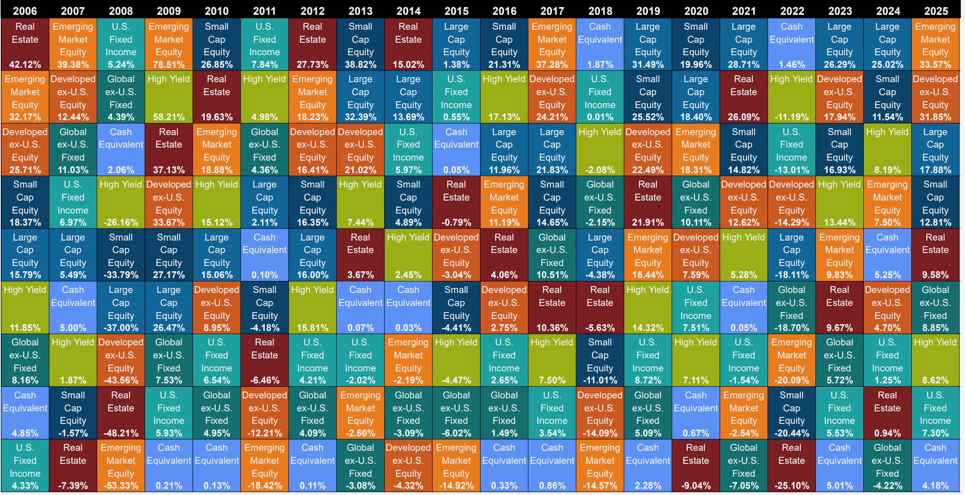
Markets Rotate: Does your Portfolio Adapt?
Any advanced investment management system has to solve a critical challenge: markets
constantly rotate.
Last quarter's top performers become today's laggards. Just as an investor implements a stock & bond portfolio, markets become volatile
causing both equities and bonds to simultaneously decline while gold comes into favor and rises sharply. Technology leads the market higher for a period and then reverses with sharp declines while alternative asset classes like Real Estate and Commodities move higher. Internationally, strong gains in China may shift to Brazil and India during a period the cycle back again the next period.
This is "market rotation", or "money flow" which occurs continuously within and across broad asset classes, the market styles,
sectors, and international regions, driven simultaneously by changes in economic, financial and
political climates around the world. Along with fast-moving markets and endless alternatives, these
rotations present investors with daunting choices.
Which markets should you invest...
How much should you own...
When do you buy...
When do you sell...
The list of choices is endless and constantly rotating driven by changes in global market conditions. This
presents investors with investment decisions as to where to best place their personal
assets.
• Equities or Fixed Income?
• Communications or Healthcare?
• Technology or Real Estate?
• Asia or Europe?
• International or Emerging Markets?
• Gold or Agriculture Commodities?
• U.S. Dollar or Foreign Currencies?
The list of choices is endless and constantly rotating driven by changes in global market conditions. This presents investors with investment decisions as to where to best place their personal assets.
Should you own some of each? When should you rebalance?
How investors allocate funds among the broad asset classes and market sectors shown in the table below may determine up to 90% of a portfolio's
performance, according to Nobel prize-winning economists. We believe keeping your portfolio current
with market trends and attempting to reduce large losses in your portfolio during severe market
downside volatility is the best way to manage risk and return over the long term.
The Callan Periodic Table of Investment Returns
Annual Returns for Key Indices (2006-2025) Ranked in Order of Performance